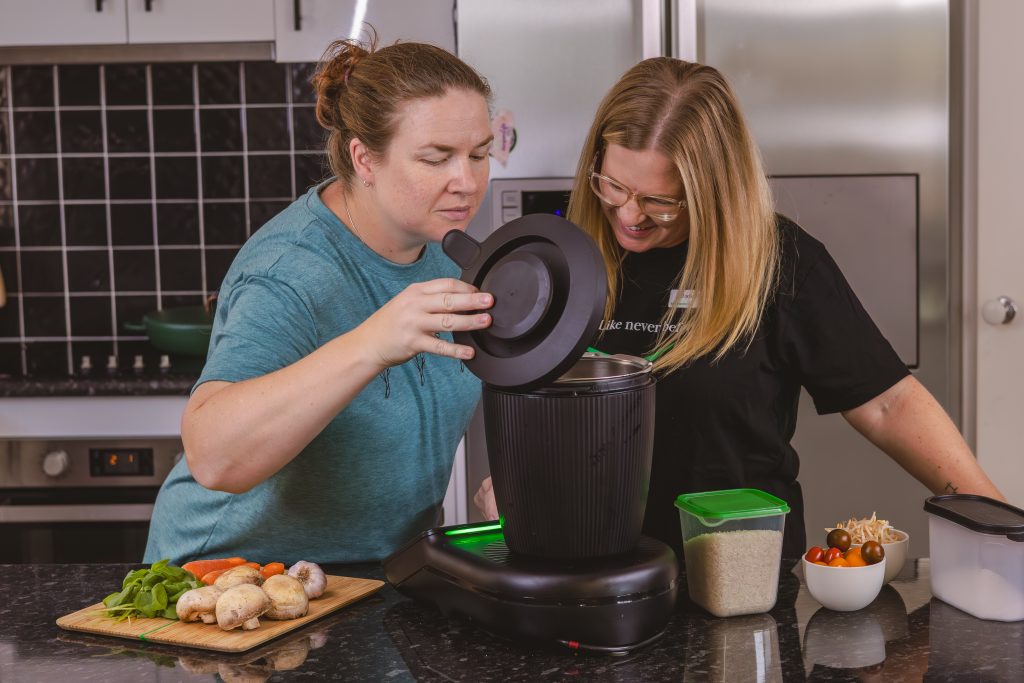

One of the most common questions people ask before buying a Thermomix® is simple:
“Do I really need this if I already have other appliances?”
Blenders, food processors, air fryers, slow cookers — modern kitchens are already full. So where does the Thermomix® actually fit, and what does it genuinely replace?
Let’s break it down honestly and compare the Thermomix® to the most common kitchen appliances people already own.
Thermomix® vs Blender
What a Blender Does Well
- Smoothies
- Shakes
- Purees
- Crushing ice
How the Thermomix® Compares
The Thermomix® can:
- Blend smoothies and soups
- Crush ice
- Make nut butters
- Heat while blending (something standard blenders cannot do)
Verdict
If you only make smoothies, a blender is cheaper.
If you want to cook, heat, and blend in one bowl, the Thermomix® replaces a blender completely.
Thermomix® vs Food Processor
What a Food Processor Does Well
- Chopping
- Slicing
- Grating
- Dough mixing
How the Thermomix® Compares
The Thermomix®:
- Chops and grinds ingredients
- Mixes and kneads dough
- Weighs ingredients directly into the bowl
- Cooks immediately after chopping
However, slicing and shredding may require extra accessories.
Verdict
For everyday chopping, mixing, and dough, the Thermomix® replaces a food processor.
For bulk slicing or shredding, some people keep both.
Thermomix® vs Slow Cooker
What a Slow Cooker Does Well
- Hands-off meals
- Long, slow cooking
- Stews, curries, casseroles
How the Thermomix® Compares
The Thermomix® can:
- Slow cook
- Simmer
- Stir automatically
- Sauté before slow cooking (no extra pan)
Verdict
The Thermomix® can fully replace a slow cooker for most households, with the bonus of faster cooking options when you’re short on time.
Thermomix® vs Rice Cooker
What a Rice Cooker Does Well
- Consistent rice
- Simple operation
How the Thermomix® Compares
The Thermomix®:
- Cooks rice
- Steams vegetables at the same time
- Weighs water and rice precisely
Verdict
A Thermomix® replaces a rice cooker easily, especially if you value multitasking.
Thermomix® vs Soup Maker
What a Soup Maker Does Well
- Simple blended soups
How the Thermomix® Compares
The Thermomix®:
- Chops ingredients
- Sautés aromatics
- Simmer soups
- Blends to any texture
- Makes far more than just soup
Verdict
The Thermomix® completely replaces a soup maker.
Thermomix® vs Air Fryer
This is one of the most searched comparisons.
What an Air Fryer Does Well
- Crispy food
- Roasting
- Browning
- Quick snacks
How the Thermomix® Compares
The Thermomix®:
- Does not air fry
- Does not crisp or brown food
- Excels at wet cooking methods
Verdict
The Thermomix® does not replace an air fryer.
Many households use both, as they serve very different purposes.
My Thermomix and Airfryer sit right next to each other and compliment each other perfectly!
Thermomix® vs Stand Mixer
What a Stand Mixer Does Well
- Heavy doughs
- Baking-focused tasks
- Large batch mixing
How the Thermomix® Compares
The Thermomix®:
- Kneads bread and pizza dough
- Mixes batters
- Weighs ingredients
- Cooks fillings, custards, and sauces
Verdict
For everyday baking, the Thermomix® replaces a stand mixer.
For large batches or frequent baking, some people keep both.
So What Does a Thermomix® Actually Replace?
In most homes, a Thermomix® can replace:
- Blender
- Food processor
- Slow cooker
- Rice cooker
- Soup maker
- Saucepan (for many meals)
- Kitchen scales
It usually does not replace:
- Oven
- Air fryer
- Toaster
- Grill
Is a Thermomix® Better Than Having Separate Appliances?
It depends on how you cook.
A Thermomix® is ideal if you:
- Want fewer appliances
- Value bench space
- Like all-in-one solutions
- Cook from scratch regularly
- Want guided cooking and automation
Separate appliances may suit you better if you:
- Prefer specialised tools
- Rarely cook full meals
- Only use one or two functions
- Enjoy manual cooking control
Final Thoughts
The Thermomix® isn’t about doing everything.
It’s about doing most everyday cooking tasks in one place, with less mess, less thinking, and less time spent in the kitchen.
For many households, that’s what makes it worth considering — not as a single appliance, but as a kitchen system.